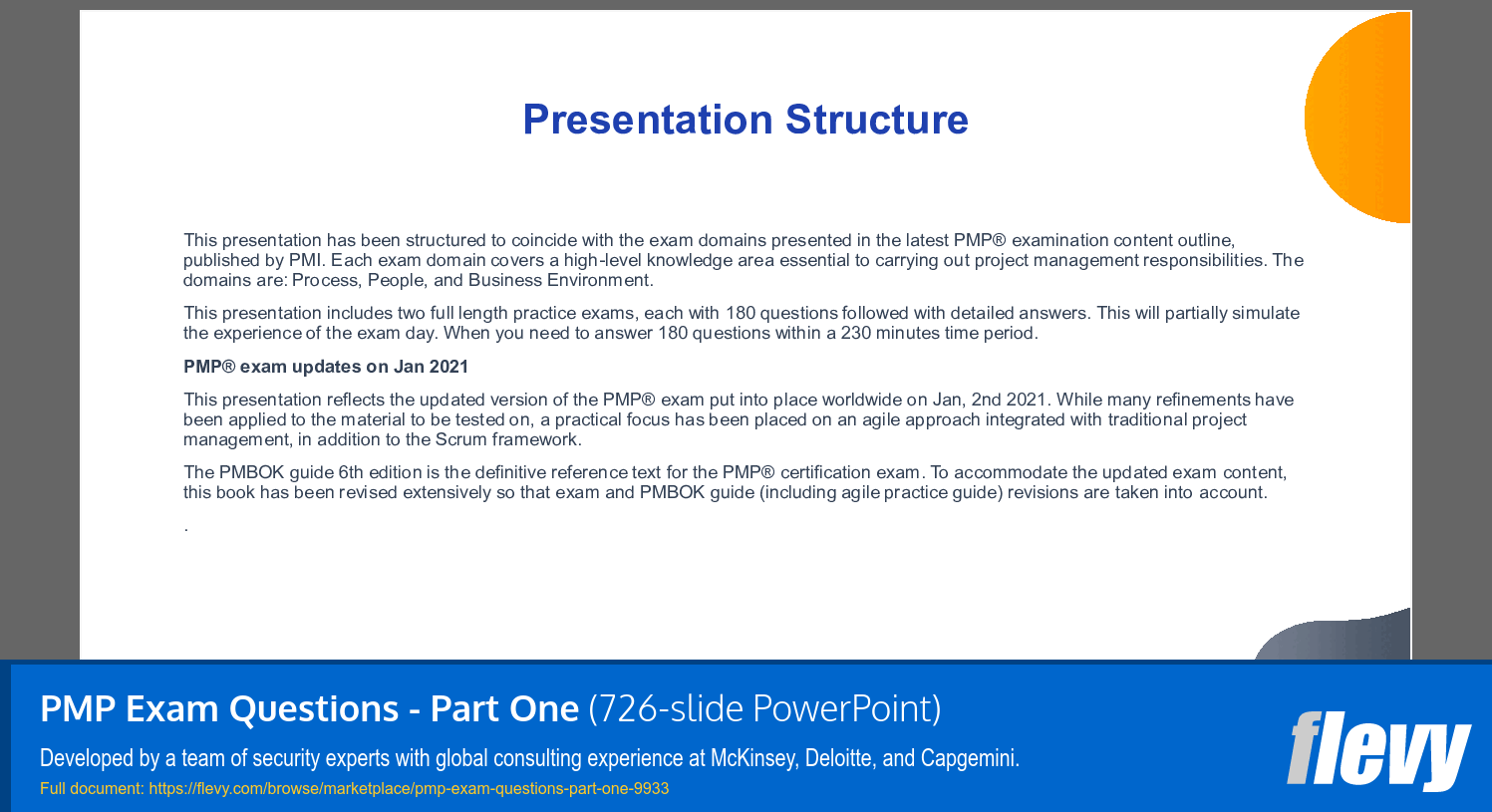
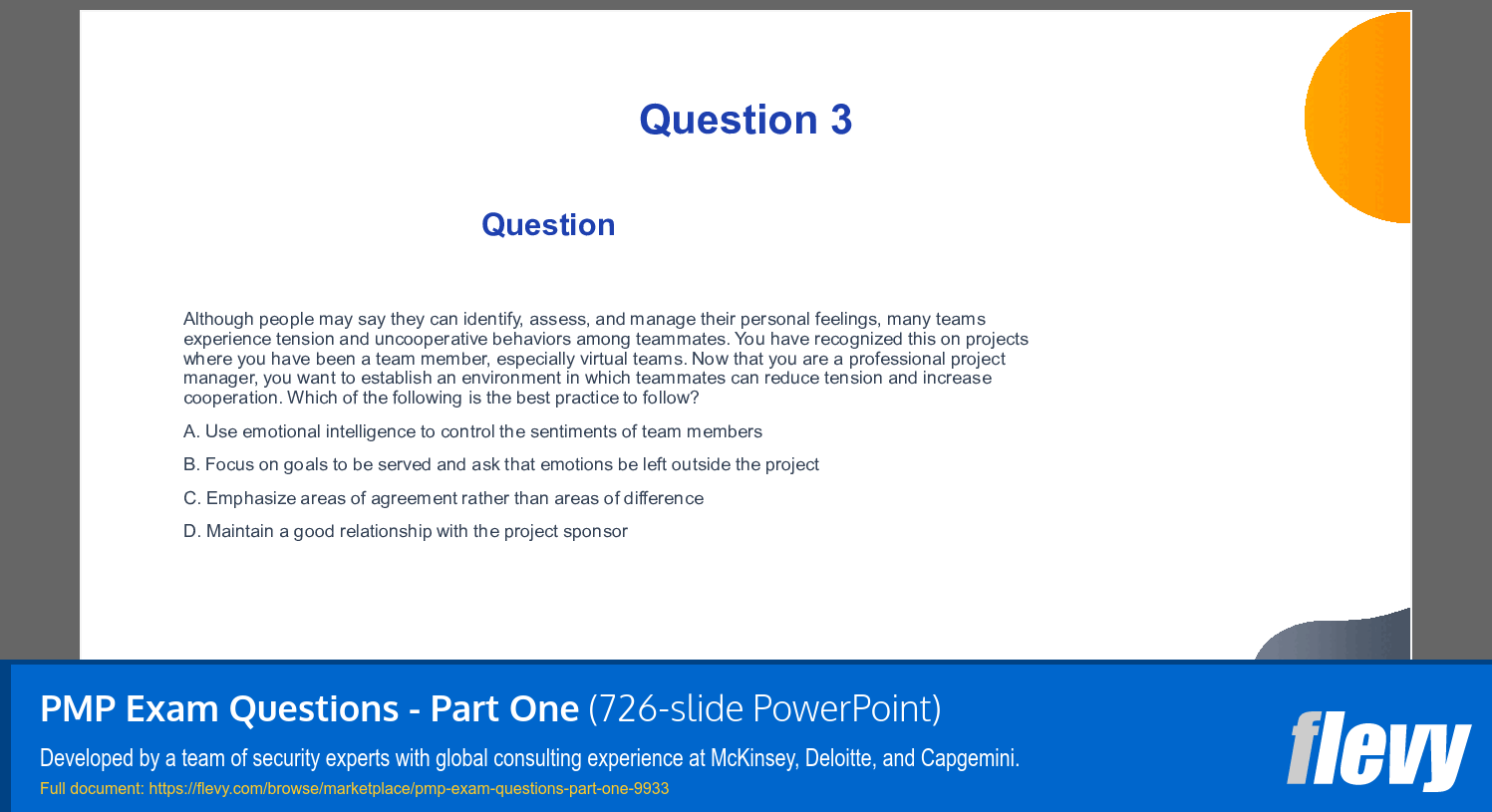
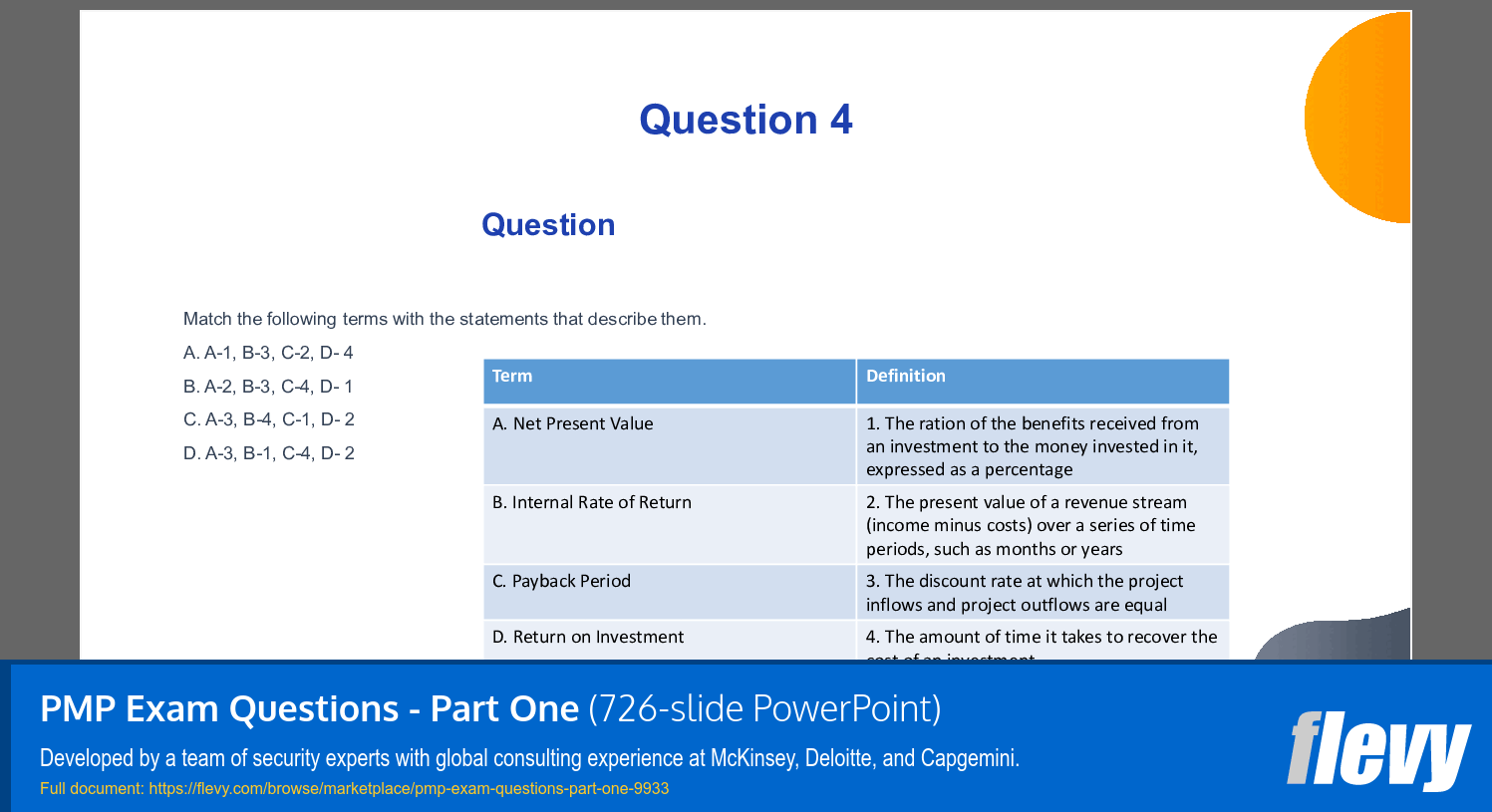
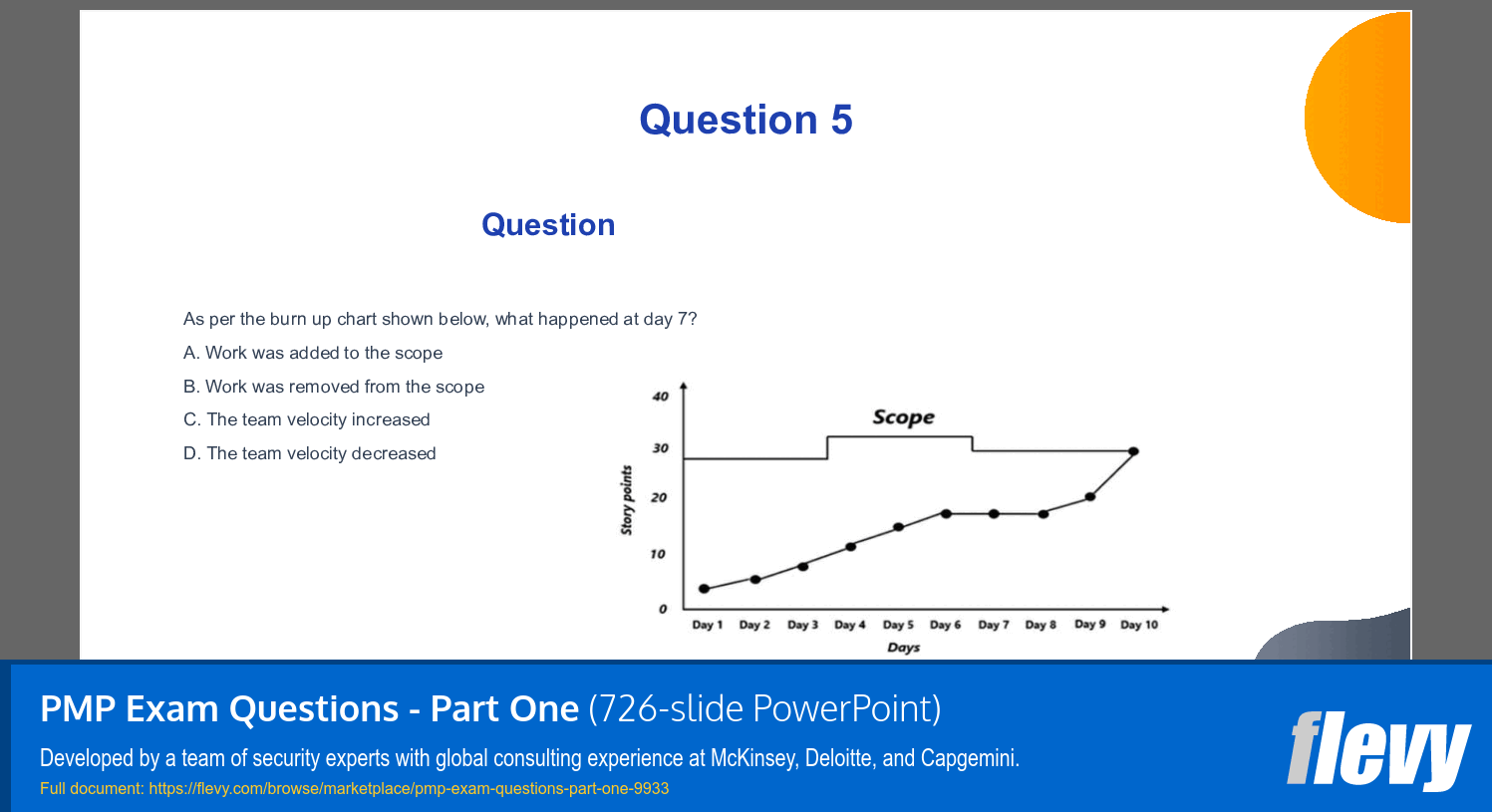
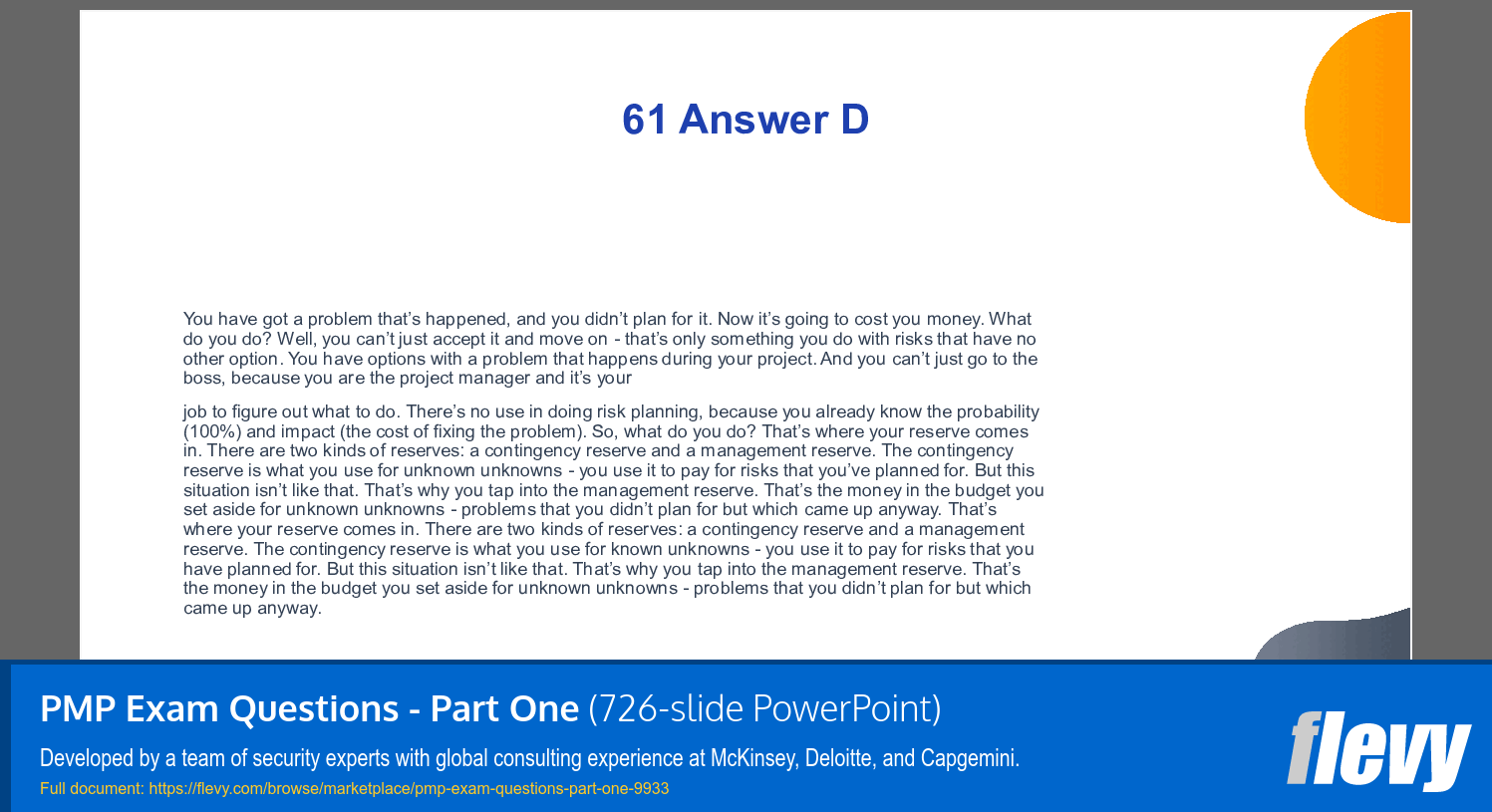

This presentation has been carefully designed to align with the exam domains outlined in the most recent PMP® Examination Content Outline, published by the Project Management Institute (PMI). The PMP® certification is one of the most recognized credentials in the field of project management, and success in this exam requires a deep understanding of the domains and tasks that define the role of a professional project manager. Each of these domains represents a high-level area of knowledge that project managers are expected to master in order to carry out their responsibilities effectively. The three domains are Process, People, and Business Environment.
The Process domain emphasizes the technical aspects of managing projects, such as planning, executing, monitoring, and delivering outcomes. It covers the tools, techniques, and methodologies needed to ensure projects are completed on time, within scope, and within budget. The People domain highlights the importance of leadership, communication, and interpersonal skills, since project managers must guide and inspire teams while resolving conflicts and motivating stakeholders. The Business Environment domain focuses on the broader organizational and strategic context of projects, ensuring that every initiative aligns with business objectives, complies with regulatory requirements, and delivers measurable value.
To help learners gain mastery of these domains, this presentation includes two full-length practice exams, each containing 180 questions with detailed answers and explanations. This design allows participants to partially simulate the actual exam experience, where candidates are expected to answer 180 questions within 230 minutes. Practicing under realistic conditions helps individuals build both confidence and time management skills, which are critical on exam day.
A significant update to the PMP® exam was introduced on January 2, 2021. The revised exam now integrates a strong focus on agile and hybrid project management approaches, while maintaining the foundation of traditional project management practices. Scrum and other agile frameworks are emphasized to reflect the modern realities of project environments across industries.
This presentation also acknowledges the role of the PMBOK® Guide, Sixth Edition, which continues to serve as a definitive reference text for the certification exam. The updated exam content has been carefully mapped against the PMBOK® Guide and the Agile Practice Guide to ensure that learners are prepared for both predictive and adaptive approaches. By reflecting these changes, the material provides a comprehensive preparation resource for all aspiring PMP® candidates.
In summary, this presentation combines structure, practice, and updated knowledge to equip professionals with the tools they need to succeed in the PMP® exam and excel in real-world project management.
Got a question about the product? Email us at support@flevy.com or ask the author directly by using the "Ask the Author a Question" form. If you cannot view the preview above this document description, go here to view the large preview instead.
Executive Summary
The "PMP Exam Questions - Part One" presentation is an essential resource for professionals preparing for the PMP® exam. Developed by experts with extensive consulting backgrounds at leading firms like McKinsey, Deloitte, and Capgemini, this presentation aligns with the latest PMP® examination content outline published by PMI. It includes 2 full-length practice exams, each comprising 180 questions designed to simulate the exam experience. The content covers critical areas such as Process, People, and Business Environment, ensuring comprehensive preparation for candidates aiming to excel in their PMP® certification.
Who This Is For and When to Use
• Project Managers preparing for the PMP® certification exam
• Team leads and project coordinators looking to enhance their project management skills
• Consultants and business analysts seeking to validate their project management knowledge
• Organizations aiming to train their staff in project management best practices
Best-fit moments to use this deck:
• During intensive exam preparation periods
• As a training tool in corporate project management workshops
• For self-assessment and practice in understanding project management principles
Learning Objectives
• Define the key knowledge areas covered in the PMP® exam
• Analyze practice questions to identify strengths and weaknesses in project management knowledge
• Apply concepts from the PMBOK® Guide to real-world project scenarios
• Develop strategies for managing project scope, schedule, and cost effectively
• Enhance understanding of stakeholder engagement and communication in project management
• Build confidence in answering situational and knowledge-based exam questions
Table of Contents
• Overview of the PMP® Exam Structure (page 3)
• Practice Exam 01 (page 10)
• Practice Exam 02 (page 150)
• Key Concepts in Project Management (page 200)
• Exam Preparation Strategies (page 250)
• Resources for Further Study (page 300)
Primary Topics Covered
• PMP® Exam Structure - Understand the format and content areas of the PMP® exam, including the latest updates from PMI.
• Practice Questions - Engage with realistic exam questions that reflect the types of scenarios encountered in project management.
• Stakeholder Management - Learn techniques for identifying and engaging stakeholders effectively throughout the project lifecycle.
• Risk Management - Explore strategies for identifying, analyzing, and responding to project risks.
• Quality Control - Understand the importance of quality management processes and tools in ensuring project success.
• Agile Methodologies - Gain insights into agile practices and how they apply to project management in dynamic environments.
Deliverables, Templates, and Tools
• Comprehensive PMP® exam practice questions and answers
• Templates for stakeholder engagement plans and risk management strategies
• Tools for tracking project performance and managing scope changes
• Guidelines for conducting effective retrospectives and lessons learned sessions
Slide Highlights
• Overview of the PMP® exam structure and key updates
• Detailed breakdown of practice exam questions and answers
• Visual aids illustrating project management concepts and frameworks
• Case studies demonstrating real-world application of project management principles
Potential Workshop Agenda
PMP® Exam Preparation Workshop (2 hours)
• Introduction to the PMP® Exam Structure
• Review of Key Knowledge Areas
• Practice Exam Session with Discussion
• Strategies for Effective Study and Exam Techniques
Customization Guidance
• Tailor the practice questions to focus on specific knowledge areas where improvement is needed
• Adjust the workshop agenda based on participant experience levels and specific learning goals
• Incorporate real-world examples from participants' experiences to enhance engagement
Secondary Topics Covered
• Change management processes in project execution
• Techniques for effective communication and collaboration among project teams
• The role of the project manager in agile environments
FAQ
What is the PMP® certification?
The PMP® certification is a globally recognized credential that validates a project manager's skills and knowledge in leading and directing projects.
How can I prepare for the PMP® exam?
Utilize practice exams, study guides, and training workshops to enhance your understanding of project management principles and exam content.
What topics are covered in the PMP® exam?
The exam covers areas such as project initiation, planning, execution, monitoring, controlling, and closing, along with stakeholder management and risk management.
How long is the PMP® exam?
The PMP® exam consists of 180 questions and must be completed within 230 minutes.
Is there a passing score for the PMP® exam?
Yes, PMI does not disclose the exact passing score,, but it is determined based on the exam's difficulty level and the performance of all candidates.
Glossary
• PMP® - Project Management Professional, a certification offered by PMI.
• PMBOK® Guide - A guide published by PMI outlining project management best practices.
• Stakeholder - Any individual or group affected by or having an interest in a project.
• Risk Management - The process of identifying, analyzing, and responding to project risks.
• Agile - A project management methodology focused on iterative development and customer collaboration.
• WBS - Work Breakdown Structure, a hierarchical decomposition of project deliverables.
• CPI - Cost Performance Index, a measure of cost efficiency in a project.
• SPI - Schedule Performance Index, a measure of schedule efficiency in a project.
• Quality Control - The process of monitoring and controlling project quality to meet requirements.
• Change Control - A process for managing changes to project scope, schedule, and costs.
• Lessons Learned - Documentation of experiences and insights gained during a project for future reference.
• Velocity - A measure of the amount of work completed in a given iteration in agile projects.
Source: Best Practices in PMP PowerPoint Slides: PMP Exam Questions - Part One PowerPoint (PPTX) Presentation Slide Deck, RadVector Consulting
This document is available as part of the following discounted bundle(s):

Save %!
PMP Exam Practice Questions – Eight Mock Exams
This bundle contains 4 total documents. See all the documents to the right.
|
Download our FREE Strategy & Transformation Framework Templates
Download our free compilation of 50+ Strategy & Transformation slides and templates. Frameworks include McKinsey 7-S Strategy Model, Balanced Scorecard, Disruptive Innovation, BCG Experience Curve, and many more. |









